

Are you ready to elevate your baking game? With its bright lemon notes and juicy blueberries, Blueberry Lemon Sourdough Starter Bread Delight is a mouthwatering treat. Not only does this recipe enhance your sourdough skills, but it also fills your kitchen with a delightful aroma. Let’s dive into the simple ingredients and easy steps that will make your next baking session a success. Your family will crave this bread!
Error: Connection error.
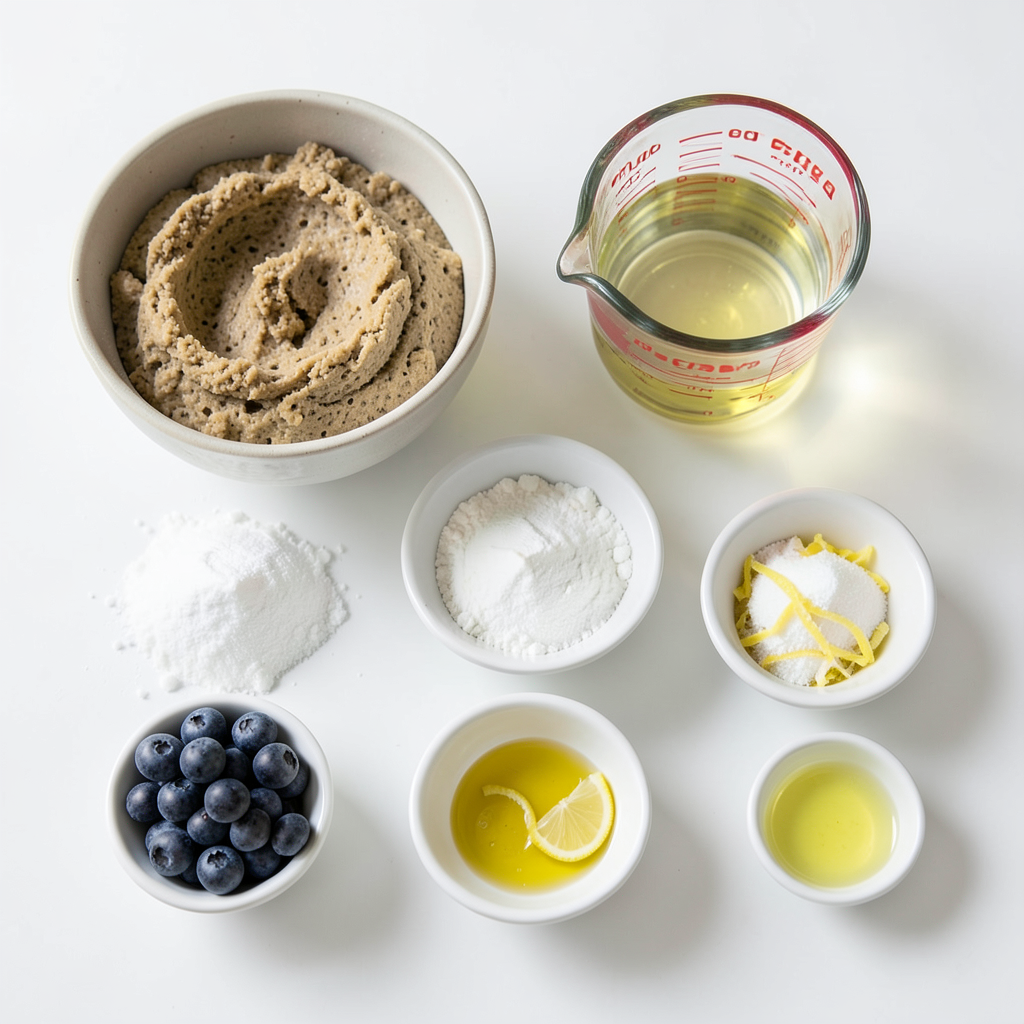
Ingredients
Active Ingredients
- 1 cup active sourdough starter
- 1 cup warm water (about 100°F)
- 2 tablespoons lemon juice
Dry Ingredients
- 3 cups all-purpose flour
- 1 teaspoon salt
- 1 tablespoon sugar (optional)
Flavor Enhancers
- Zest of 1 lemon
- 1 cup fresh blueberries (washed and dried)
- 1 tablespoon olive oil
Using fresh and quality ingredients makes a big difference. The sourdough starter must be active to ensure good rise. Warm water helps wake up the yeast. Adding lemon juice brightens the flavor.
For dry ingredients, all-purpose flour works best for texture. Salt enhances taste and controls yeast activity. Sugar is optional but adds a nice touch of sweetness.
For flavor, lemon zest brings out citrus notes. Fresh blueberries add sweetness and a burst of color. Olive oil makes the bread soft and helps with texture.
Each ingredient plays a role. Together, they create a delicious blend of flavors. This bread is not just a treat for the taste buds; it’s a feast for the eyes!
Step-by-Step Instructions
Preparing the Dough
1. In a large bowl, combine 1 cup of active sourdough starter with 1 cup of warm water. Stir until smooth.
2. Next, add the zest of 1 lemon and 2 tablespoons of lemon juice. If you want, sprinkle in 1 tablespoon of sugar for sweetness. Mix well.
3. Gradually add in 3 cups of all-purpose flour, one cup at a time. Use a wooden spoon or your hands. Mix until you see a shaggy dough form.
Kneading and First Rise
1. Now, add 1 teaspoon of salt and 1 tablespoon of olive oil to the dough.
2. Knead the dough on a floured surface for about 5-7 minutes. You want it to feel smooth and elastic.
3. Gently fold in 1 cup of fresh blueberries. Be careful not to crush them.
Shaping and Second Rise
1. Place the dough in a greased bowl. Cover it with a damp cloth or plastic wrap. Let it rise in a warm place for 4-6 hours. It should double in size.
2. Once risen, punch down the dough to remove excess air. Transfer it to a floured surface. Shape it into a round or oval loaf.
3. Place the shaped loaf on a parchment-lined baking sheet. Cover it again and let it rise for another 1-2 hours.
Baking the Bread
1. Preheat your oven to 450°F (230°C).
2. Before baking, score the top of the loaf with a sharp knife. This helps it rise better while baking.
3. Bake the bread for 25-30 minutes, or until it turns golden brown. It should sound hollow when tapped on the bottom.
4. Remove it from the oven and let it cool on a wire rack before slicing.
Tips & Tricks
Perfecting Your Bread
- Use an active sourdough starter: An active starter is key. It helps your bread rise well. Make sure it bubbles and smells tangy before using it.
- Optimal rising conditions for dough: Place your dough in a warm, draft-free spot. A cozy oven with the light on works great. This helps the dough rise faster.
- Tips for incorporating blueberries without crushing: Add the blueberries gently. Fold them in carefully to keep them whole. This preserves their flavor and color in the bread.
Serving Suggestions
- Best ways to enjoy the bread: Serve this bread warm for the best taste. It pairs well with breakfast or as a snack. Try it with honey or plain cream cheese.
- Ideal spreads to pair with blueberry lemon bread: I love to spread soft butter on top. A light layer of lemon curd also enhances the flavors.
- Presentation tips for serving: Slice the bread and show off its vibrant colors. A sprinkle of lemon zest on top adds a nice touch. Serve it on a wooden board for a rustic look.
Error: Connection error.
Variations
Ingredient Swaps
You can easily change some ingredients in this recipe. Here are some tasty swaps:
- Alternative fruits to use: Try raspberries or blackberries for a different flavor. Both fruits pair well with lemon.
- Different citrus zest options: Orange zest is a wonderful choice too. It adds a sweet, bright note to the bread.
- Gluten-free flour substitutes: Use a gluten-free all-purpose blend. This allows those with gluten issues to enjoy the bread.
Flavor Enhancements
You can boost the flavor in this bread by adding some fun extras:
- Adding spices like cinnamon or nutmeg: A dash of cinnamon brings warmth. Nutmeg gives a cozy touch that complements the lemon.
- Incorporating nuts such as walnuts or almonds: Chopped walnuts add crunch. Almonds lend a nice flavor, too.
- Using flavored oils: Instead of olive oil, try using lemon-flavored oil. It adds an extra layer of citrus goodness to each bite.
Storage Info
Best Storage Practices
To keep your blueberry lemon sourdough starter bread fresh, follow these tips:
- Store leftover bread: Let the bread cool completely on a wire rack. Wrap it in plastic wrap or foil. This keeps the moisture in and prevents it from drying out.
- Best containers for freshness: Use a bread box or a paper bag for short-term storage. These options allow the bread to breathe while keeping it fresh. For longer storage, use a sealed plastic bag.
- Refrigerating vs. freezing options: Refrigeration can make the bread stale faster, so avoid it if you can. If you need to store it for more than a few days, freeze it. Wrap the bread tightly in plastic, then place it in a freezer bag.
Reheating Bread
To enjoy your bread at its best, reheating is key:
- Best ways to reheat for optimal texture: Preheat your oven to 350°F (175°C). Place the bread directly on the oven rack for about 10-15 minutes. This helps revive the crust and warmth.
- Tips for refreshing stale bread: If your bread is a bit old, sprinkle a little water on the crust before reheating. This adds moisture, making it softer and more enjoyable.
FAQs
Common Questions
How to make sourdough starter for the recipe? To make sourdough starter, mix equal parts of flour and water. Use about 1/2 cup of each. Stir to combine, then cover loosely. Let it sit at room temperature. Feed it daily by adding more flour and water. In about 5-7 days, it should be bubbly and ready to use.
Can I use frozen blueberries? Yes, you can use frozen blueberries. Just make sure to thaw and drain them first. This helps prevent excess moisture in your bread. Be gentle when folding them into the dough to avoid crushing.
What to do if the dough is too sticky? If your dough is sticky, add a bit more flour. Use small amounts at a time. Knead it in until the dough feels smoother. Make sure not to add too much flour, as it can change the bread's texture.
Troubleshooting
Why is my bread dense? Dense bread may happen if your starter is not active enough. Ensure it is bubbly and has risen well before using. Also, check that you kneaded the dough thoroughly. If not, it might not have enough gluten development.
How to fix undercooked bread? If your bread is undercooked, return it to the oven. Cover it with foil to prevent burning. Bake for an additional 5-10 minutes. Check for a hollow sound when tapping the bottom.
Should I use instant yeast with sourdough starter? You can use instant yeast, but it’s not necessary. Your sourdough starter should provide enough rise. If you want a quicker rise, add a small amount of instant yeast. This can help boost the dough’s strength.
This blog post covered how to make blueberry lemon bread with a sourdough starter. You learned about the ingredients, step-by-step instructions, and helpful tips. Baking bread can seem tricky, but with practice, it gets easier. Remember, yeast, heat, and time are key for great results. Don’t hesitate to experiment with flavors or storage methods. Enjoy the process and share your delicious bread with friends! Happy baking!