

Get ready to elevate your baking game with my Blueberry Lemon Sourdough with Vanilla Crunch Delight! This recipe combines the tang of sourdough with fresh blueberries and a sweet vanilla crunch. Perfect for breakfast or a snack, it will impress family and friends alike. I'll guide you through each simple step, so you can create this delicious bread at home. Let’s dive into the ingredients that make this treat truly special!
Error: Connection error.
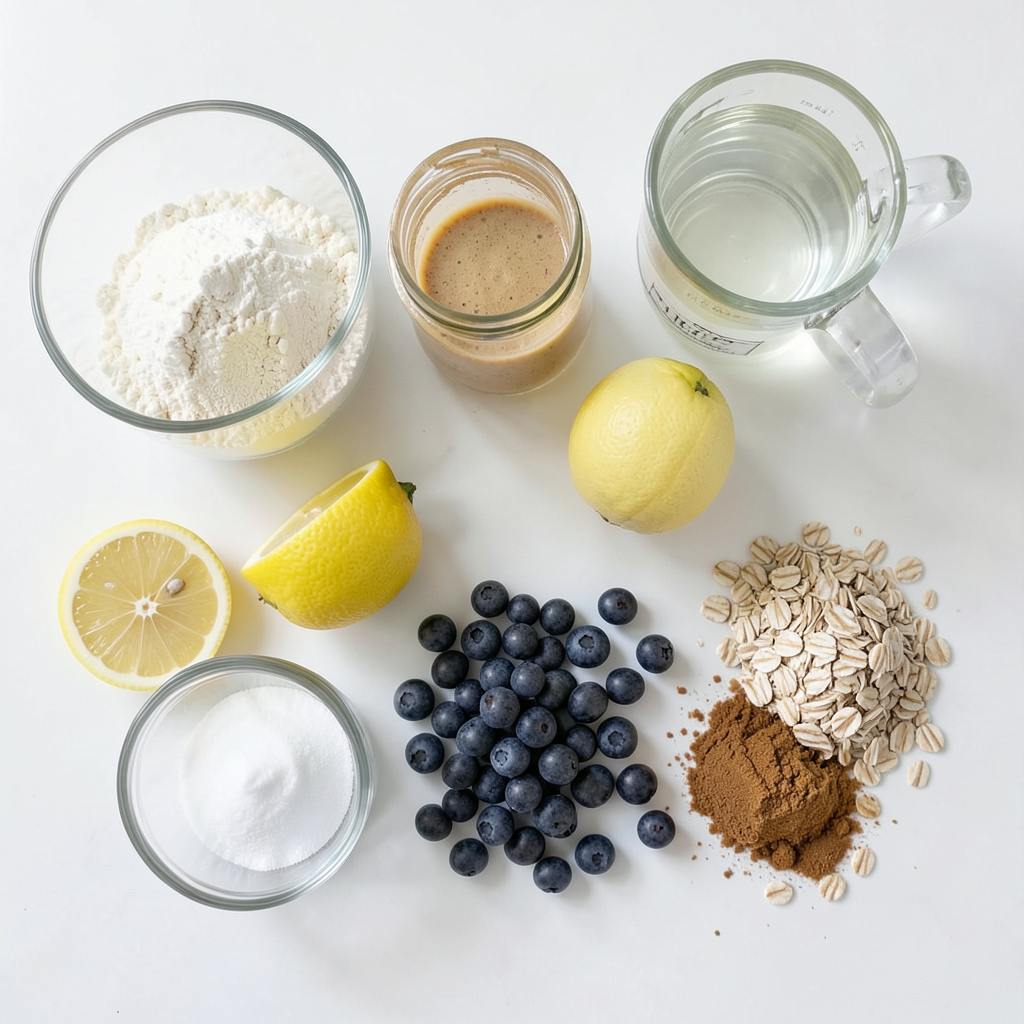
Ingredients for Blueberry Lemon Sourdough with Vanilla Crunch
List of Essential Ingredients
To make delicious Blueberry Lemon Sourdough, you need these key items:
- 500g bread flour
- 300g sourdough starter (active and bubbly)
- 350ml warm water
- 200g fresh blueberries
These ingredients form the base for a tasty loaf. The bread flour gives structure, while the sourdough starter adds flavor.
Sugar and Citrus Components
For sweetness and zing, we add:
- 50g sugar
- Zest of 1 lemon
- Juice of 1 lemon
- 50g brown sugar
Using both white and brown sugars enhances the flavor. The lemon juice and zest brighten the bread, making it fresh and lively.
Additional Flavor Enhancements
To round out the taste, don’t forget:
- 1 teaspoon salt
- 1 teaspoon vanilla extract
- 50g rolled oats
- 30g melted butter
Salt balances the sweetness. Vanilla adds warmth. Oats and butter create a crunchy topping that adds texture to the loaf. Each of these ingredients works together to make your sourdough special.
Step-by-Step Instructions
Preparing the Dough
To start, I mix the bread flour, warm water, and sourdough starter together in a large bowl. I use a wooden spoon to stir until a sticky dough forms. This dough is the base of our delicious bread. Next, I add sugar, lemon zest, lemon juice, and salt to the mix. Kneading is key here. I sprinkle some flour on my work surface and knead the dough for about 10 minutes. I want it to feel smooth and elastic. This step builds strength in the dough, making it rise beautifully.
Incorporating Blueberries
Now comes the fun part—adding the blueberries! I gently fold them into the dough. It’s important to be careful here. I want to keep the blueberries whole. If I crush them, my dough will turn purple. I use my hands to lift the dough and fold it over the berries. This keeps them intact while spreading their flavor throughout.
Rising and Shaping the Loaf
After mixing in the blueberries, I form the dough into a ball. I place this in a greased bowl. Then, I cover the bowl with a damp cloth. It needs a warm spot to rise for 4-6 hours, until it doubles in size. For shaping, I gently deflate the dough. I turn it out onto a clean surface and shape it into a round loaf. This is where I get to be creative! I pick up the edges and fold them toward the center, creating a nice round shape. Finally, I place it on a parchment-lined baking sheet, ready for its second rise.
Tips & Tricks for Perfecting Your Sourdough
Achieving the Right Dough Consistency
The dough should feel sticky. This stickiness is key for a good rise. When mixing, don’t worry if it’s a bit messy. The right consistency helps the bread get air bubbles. After kneading for about 10 minutes, the dough should feel smooth and elastic. This means you've kneaded it enough. If it feels very wet, add a little flour. A good dough is soft but not too sticky to handle.
Rising Times and Temperatures
Keep an eye on rising times. If your kitchen is warm, the dough may rise faster. In a cooler room, it will take longer. You can test the dough by gently pressing it with a finger. If the dent stays, it’s ready. If it springs back, let it rise a bit more. Patience is key. A well-risen dough will give you airy bread.
Scoring and Baking Techniques
Scoring the dough helps it rise in the oven. Use a sharp knife to make a cut on the top. You can make a simple cross or a pattern. This allows steam to escape and shapes the crust. If you have a baking stone, use it. It gives the bread a nice crust. If not, a baking sheet works too. Preheat your oven well. A hot oven helps the bread puff up quickly. Bake until golden brown, and listen for a hollow sound when tapped.
Error: Connection error.
Variations of Blueberry Lemon Sourdough
Alternative Fruit Options
You can swap blueberries for other fruits. Raspberries or blackberries work well too. You can even use chopped peaches or diced apples for a twist. Each fruit adds its own flavor and texture. Just remember that juicy fruits may need extra care to avoid sogginess.
Adjusting Flavor Profiles
Add spices or herbs for a unique twist. Cinnamon or nutmeg can bring warmth. For a fresh taste, try adding fresh basil or thyme. These flavors pair well with the lemon and can surprise your taste buds. Just start with a small amount to find your perfect mix.
Gluten-Free or Whole Grain Adaptations
Making a gluten-free version is simple. You can use a gluten-free flour blend. Ensure it contains xanthan gum for texture. For added nutrition, try using whole grain flour. This flour gives a nutty flavor and a hearty crumb. Both options can make your sourdough just as tasty.
Storage Information for Blueberry Lemon Sourdough
Best Storage Practices
To keep your Blueberry Lemon Sourdough fresh, follow these steps:
- Cool completely: Let the bread cool on a wire rack for at least 30 minutes.
- Wrap tightly: Use plastic wrap or aluminum foil to wrap the bread snugly.
- Choose a container: Store the wrapped bread in an airtight container or a resealable bag.
- Ideal temperature: Keep it at room temperature away from direct sunlight.
This method helps retain moisture and flavor, ensuring you enjoy every slice.
Freezing Tips
Freezing your sourdough is a great way to save leftovers. Here’s how:
1. Slice the bread: Cut it into even slices for easy access later.
2. Wrap each slice: Use plastic wrap to wrap each slice tightly.
3. Place in a bag: Put the wrapped slices in a freezer-safe bag. Remove as much air as possible.
4. Label and date: Write the date on the bag for reference.
When you want to enjoy it again:
- Thawing: Take out the slices and let them sit at room temperature for about 30 minutes.
- Reheating: Use a toaster or oven to warm them up. This brings back the fresh taste.
Shelf Life and Signs of Spoilage
Homemade sourdough lasts about 4 to 5 days at room temperature. Here’s what to look for:
- Mold: Check for any fuzzy spots, usually white, green, or blue. If you see mold, discard the bread.
- Stale texture: If it feels hard or overly dry, it may not taste good.
- Smell: A sour or off smell is a sign it's gone bad.
Storing your bread properly can help you enjoy its delightful flavors longer.
FAQs about Blueberry Lemon Sourdough
Can I use frozen blueberries in this recipe?
Yes, you can use frozen blueberries. They add great flavor. Here are some tips:
- Do not thaw: Use them straight from the freezer. This keeps them whole.
- Coat with flour: Toss the frozen berries in a bit of flour. This helps them stay suspended in the dough.
- Add gently: Fold them in carefully to avoid crushing. This keeps your bread pretty.
What if my dough doesn't rise?
If your dough doesn't rise, check these common issues:
- Starter activity: Make sure your sourdough starter is bubbly and active. It needs to be fresh.
- Temperature: The dough should be in a warm spot. A cold room can slow rising.
- Time: Give it enough time. Sometimes it takes longer than expected.
- Moisture: The dough should feel sticky but not too wet. Adjust water if needed.
How do I know when my bread is done baking?
There are simple signs to check for perfect bread:
- Color: Look for a golden brown crust. It should look appetizing.
- Sound: Tap the bottom of the loaf. It should sound hollow.
- Temperature: If you have a thermometer, the center should reach about 90°C (190°F). This ensures it is fully baked.
In this blog post, we explored how to make blueberry lemon sourdough with a crunchy twist. We discussed key ingredients like bread flour, sourdough starter, and fresh blueberries. You learned important tips for mixing dough and folding in blueberries. Plus, we shared ways to enhance flavor with lemon and vanilla.
These techniques ensure your bread turns out tasty and fresh. By trying the variations we mentioned, you can make this recipe truly your own. Get ready to enjoy your homemade sourdough!